Do You Need a Boating Safety Course Before Hitting the Water in Cape Elizabeth, ME
Boaters near Cape Elizabeth, ME benefit from completing a safety course that builds confidence, sharpens navigation skills, and meets state requirements.
Whether you are brand new to boating or returning after years away from the helm, a formal safety course gives you practical knowledge that matters on the water. Maine has specific boating education requirements, and understanding them before you launch can save you from fines and, more importantly, keep everyone aboard safe.
What Does Maine Require for Boating Education?
Maine law requires boaters born after a certain date to complete an approved boating safety course before operating a motorized vessel on state waters.
The requirement applies to anyone born on or after January 1, 1999, who wants to operate a motorboat. The course must be approved by the National Association of State Boating Law Administrators, commonly known as NASBLA. Completing the course earns you a boating safety certificate that you should carry aboard whenever you are operating the vessel.
Even if you are not legally required to take the course, doing so is a smart decision. Insurance companies sometimes offer discounts to policyholders who hold a valid boating safety certificate. The course covers navigation rules, emergency procedures, weather awareness, and equipment requirements that apply directly to Maine's coastal waters. Learning these topics in a structured setting is far more effective than picking them up through trial and error. You can find information about boating education programs near Cape Elizabeth, ME to see what courses are currently available.
How Does a Safety Course Prepare You for Coastal Conditions?
A good boating safety course teaches you how to read weather patterns, handle rough water, and respond to common emergencies that occur along the Maine coast.
Coastal boating introduces hazards that do not exist on lakes or rivers. Fog can roll in quickly, reducing visibility to near zero. Tidal currents shift throughout the day and can push your boat off course or into shallow water if you are not paying attention. Lobster pot buoys create navigation obstacles that require constant awareness, especially in areas like Casco Bay and the waters off Cape Elizabeth.
The course also covers distress signals, man-overboard procedures, fire response, and proper use of life jackets and throwable flotation devices. Knowing what to do in the first thirty seconds of an emergency makes a significant difference in outcomes. Practicing these skills in a classroom or on-water training session builds the kind of muscle memory that takes over when stress is high.
Can Experienced Boaters Still Benefit from Refresher Training?
Seasoned boaters gain value from updated training on new regulations, modern navigation technology, and evolving safety standards they may have missed.
Rules change over time. Equipment requirements, channel markers, and communication protocols get updated, and it is easy to fall behind if you have not reviewed the latest standards in several years. A refresher course brings you current on everything from VHF radio procedures to updated Coast Guard inspection criteria.
Technology on the water has also evolved rapidly. GPS chart plotters, AIS transponders, radar overlays, and satellite communication systems are now common on recreational boats. Understanding how these tools work together and knowing their limitations helps you make better decisions on the water. Even experienced captains benefit from structured instruction on integrating modern electronics with traditional seamanship.
How Cape Elizabeth's Rocky Coastline and Permit Rules Affect Safe Boating
Cape Elizabeth's exposed ledges, strong tidal currents, and local mooring permit requirements create unique challenges that every boater in the area should understand.
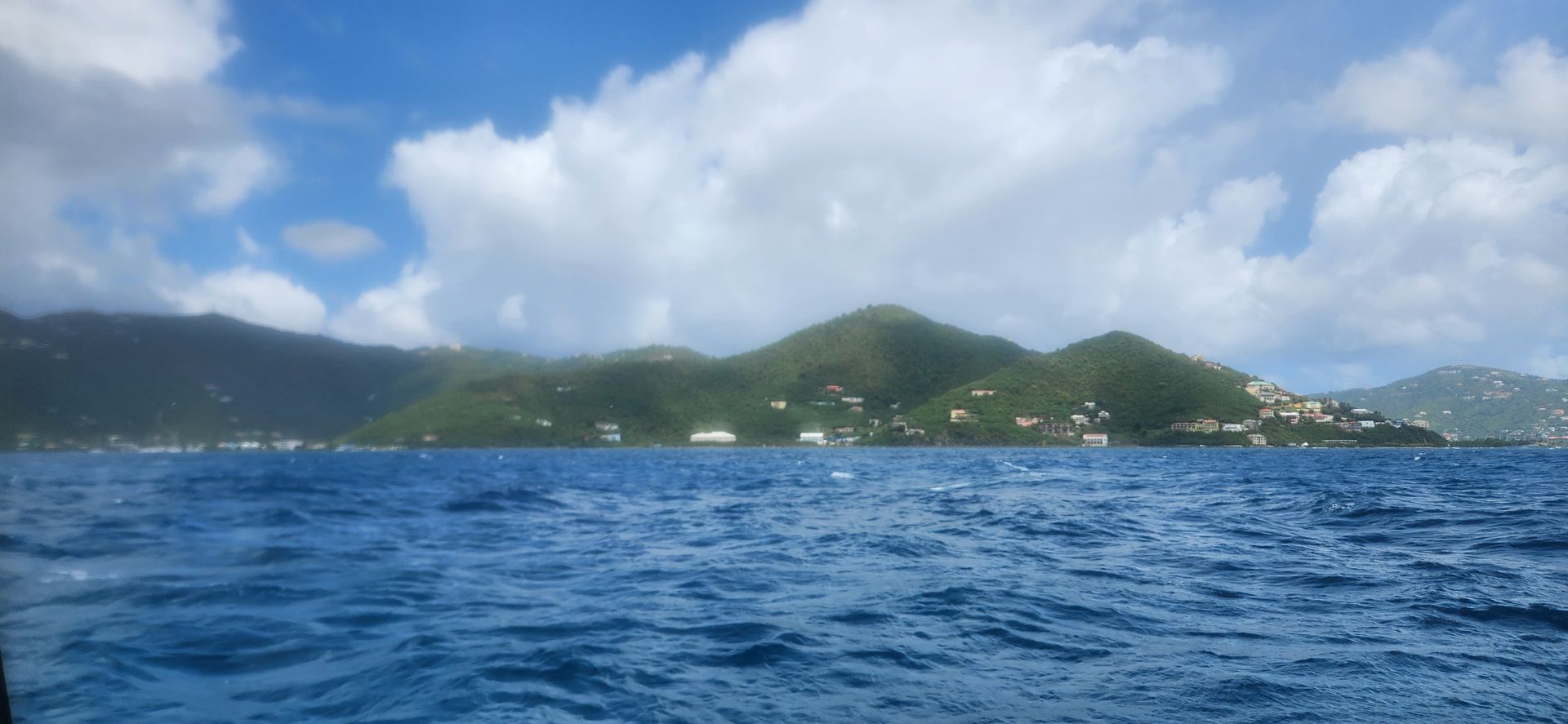
The coastline around Cape Elizabeth includes rocky headlands, submerged ledges, and narrow passages where tidal flow accelerates. Portland Head Light marks one of the most photographed points on the coast, but the waters beneath it demand respect. Swells from the open Atlantic can wrap around the cape and create confused seas close to shore, especially during incoming weather systems.
Mooring in Cape Elizabeth waters requires a permit from the town harbormaster. Anchoring in certain areas may be restricted to protect eelgrass beds and lobster fishing grounds. Boaters who are unfamiliar with these local regulations can face penalties or, worse, damage to their vessel from grounding on unmarked shallow spots. Preparing yourself with the right training and local knowledge makes every trip safer. See what marine programs are available near Cape Elizabeth, ME to stay current on best practices and local requirements.
Safety training is one of the best investments any boater can make for themselves and their passengers. Start with Portland Yacht Services by calling 207-774-1067 to learn about upcoming courses and on-water instruction options.